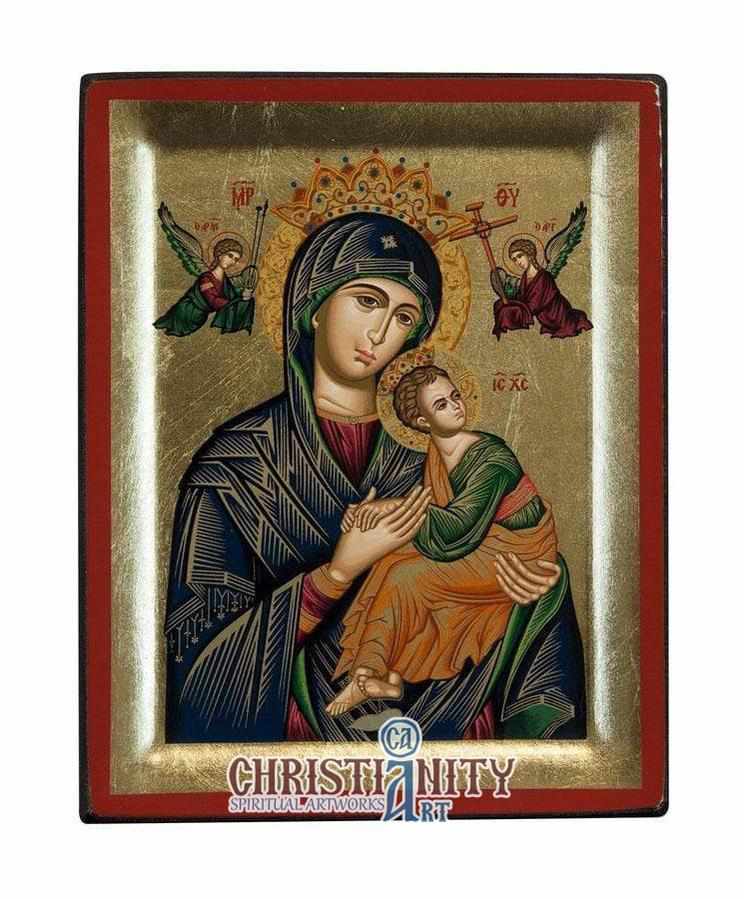
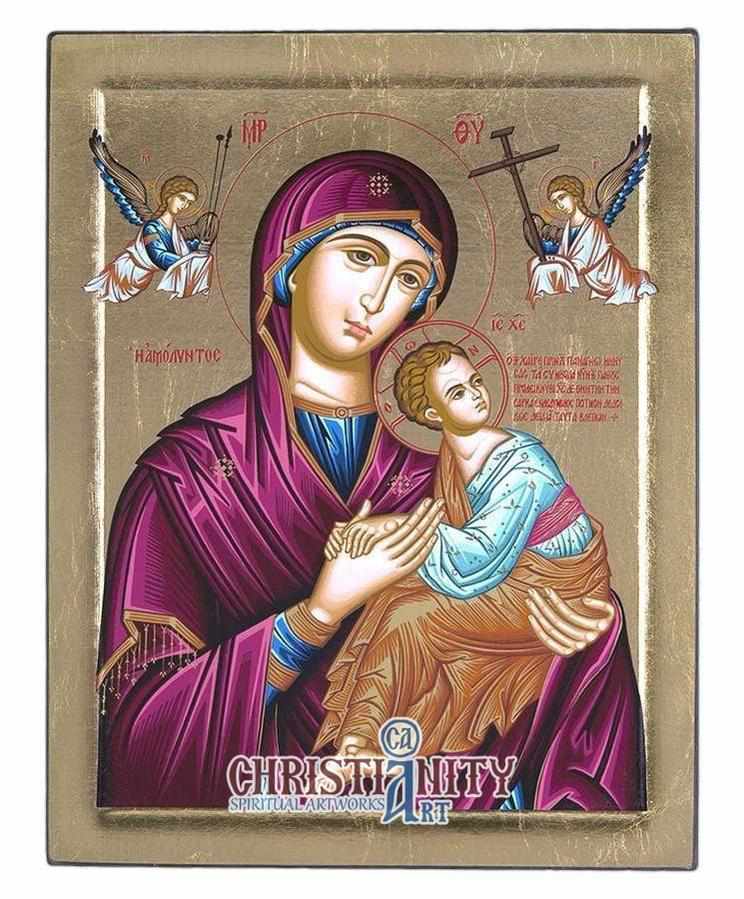
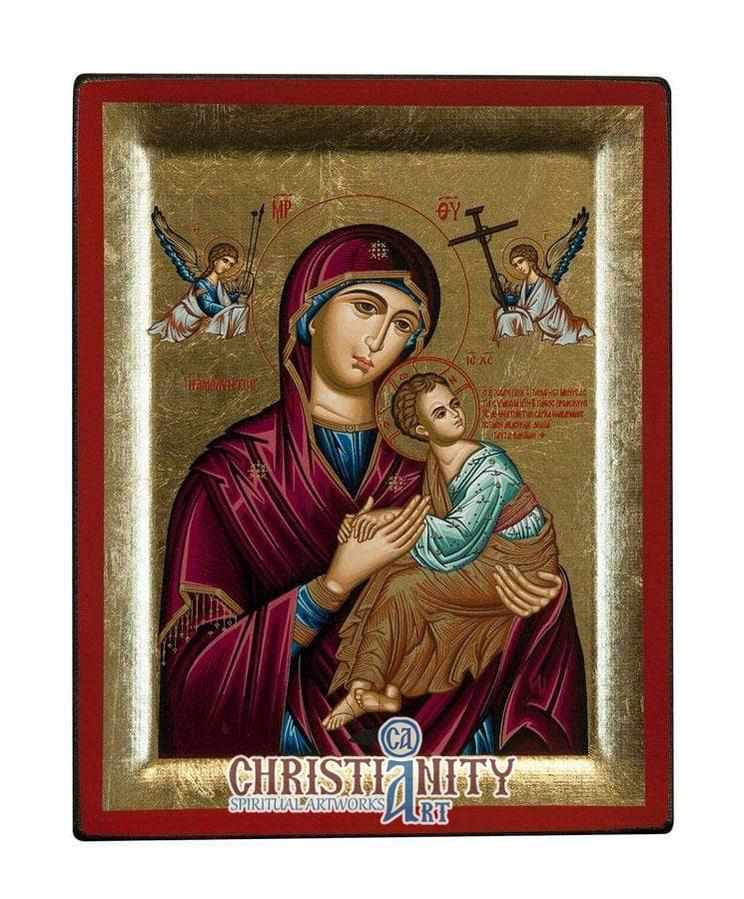
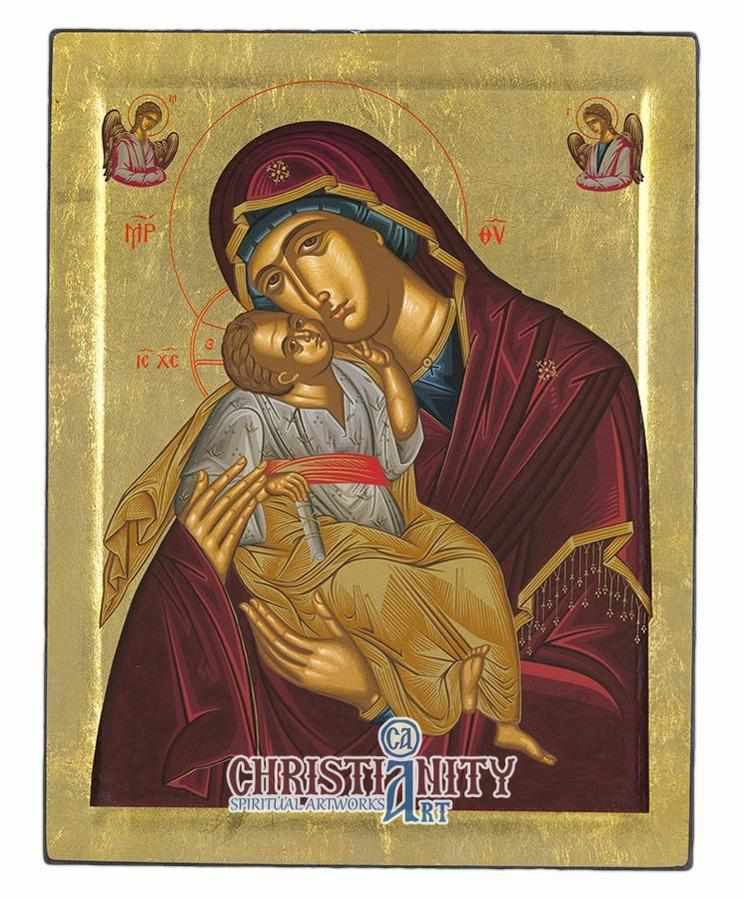
Saint Romanos - Wooden icon in canvas with gold background on carved wood - Mount Athos
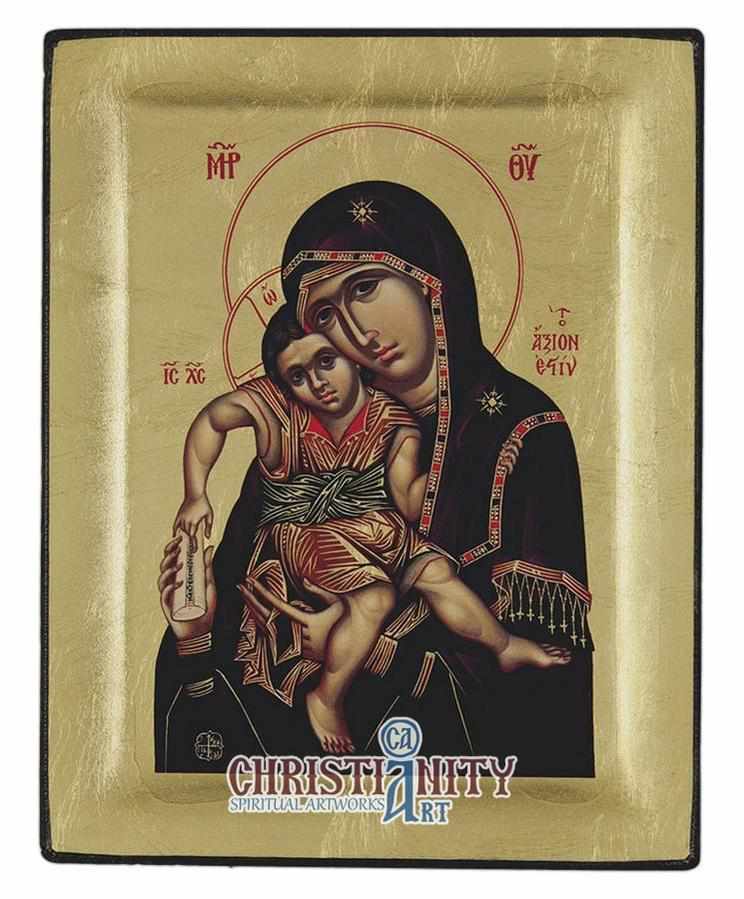
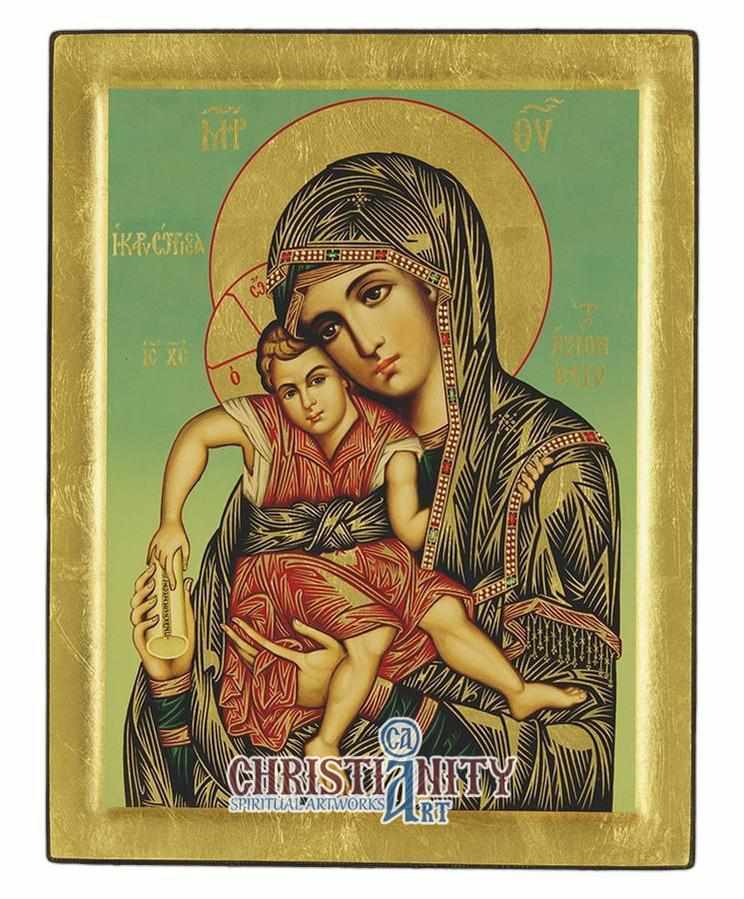
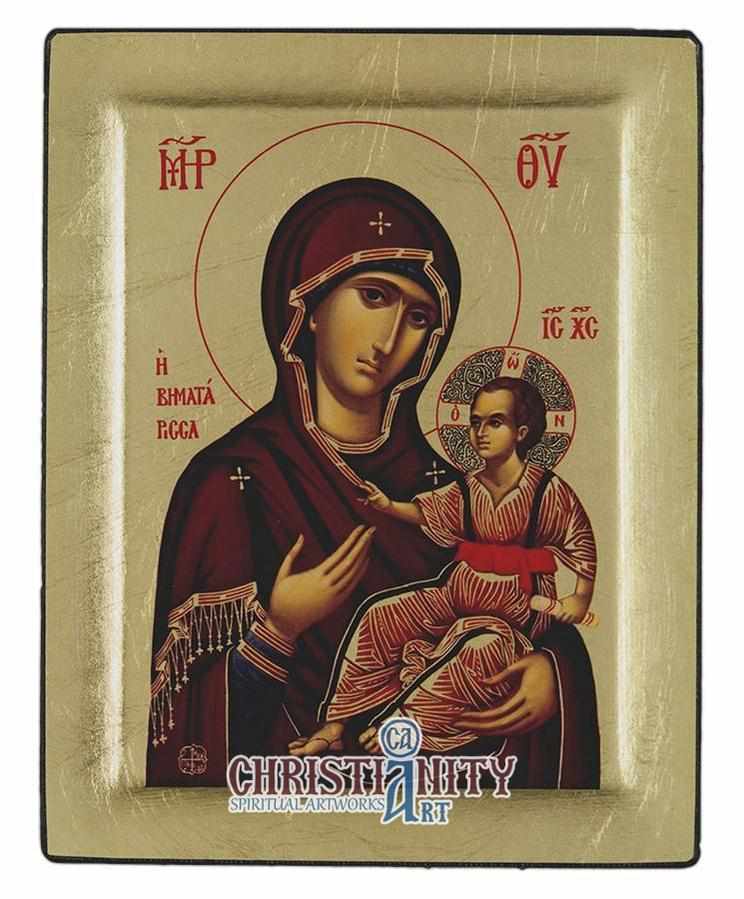
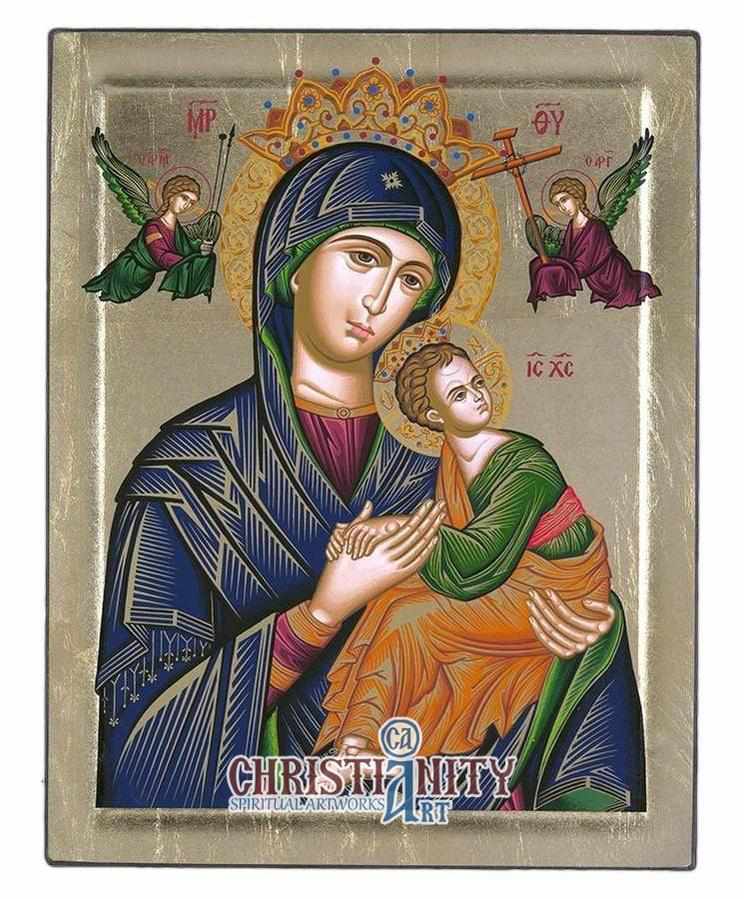
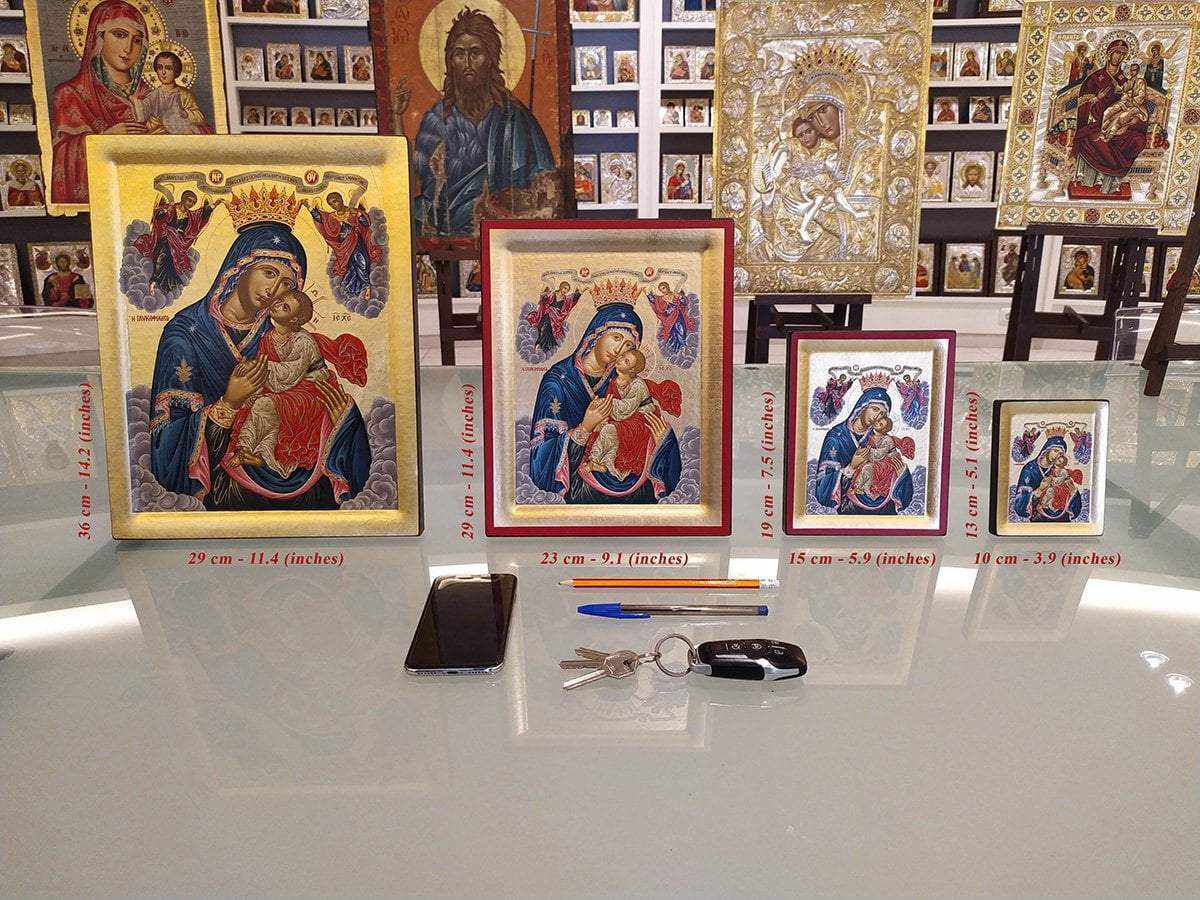
Seriograph icon crafted in canvas with gold background on carved wood.
With this icon you will receive a free stand.
Saint Romanos
Saint Romanos, known as Romanos the Melod, glorified the Orthodox Faith through the fine art of poetry. He lived in the 6th century A.D., during the "Golden Age" of the Byzantine hymnography and contributed with his poetic virtue to the glorification of the Saints, of the Virgin Mary and of Christ. He was born in Syria of Jewish origin, studied in Beirut, traveled to Constantinople and served in the temple of Agia Sophia. He wrote about a thousand compositions of which only a relatively small number is saved, and in which he expresses the wishes and hopes of the people. His work has contributed not only to the religious heritage but also to the literature and history of the Byzantine era. He died in 560 A.D. and his memory is celebrated on October 1.
Original: $25.90
-65%$25.90
$9.06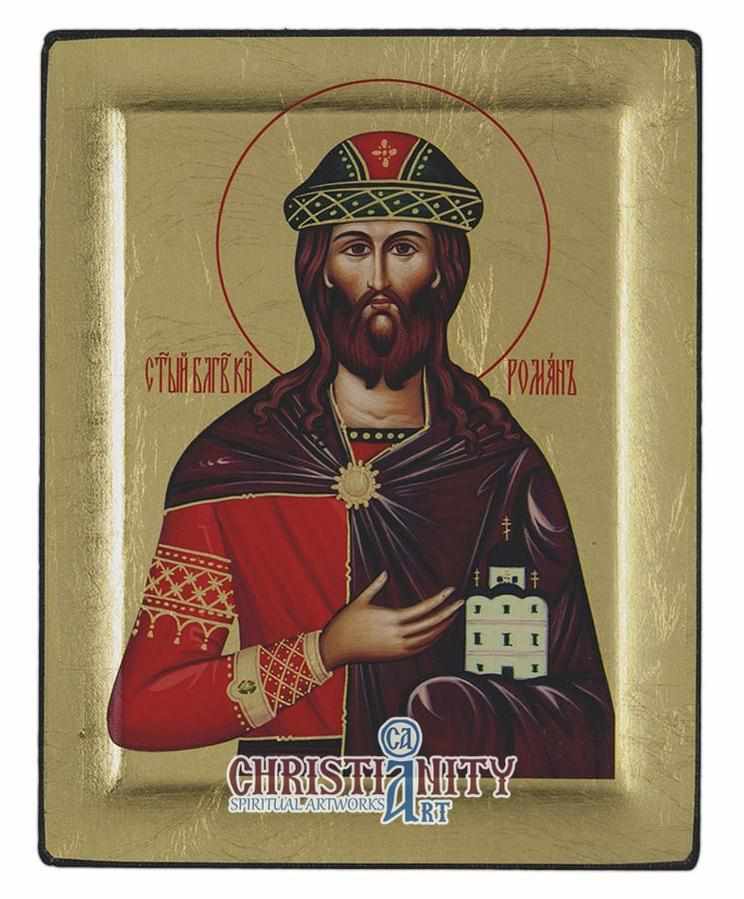



Description
Seriograph icon crafted in canvas with gold background on carved wood.
With this icon you will receive a free stand.
Saint Romanos
Saint Romanos, known as Romanos the Melod, glorified the Orthodox Faith through the fine art of poetry. He lived in the 6th century A.D., during the "Golden Age" of the Byzantine hymnography and contributed with his poetic virtue to the glorification of the Saints, of the Virgin Mary and of Christ. He was born in Syria of Jewish origin, studied in Beirut, traveled to Constantinople and served in the temple of Agia Sophia. He wrote about a thousand compositions of which only a relatively small number is saved, and in which he expresses the wishes and hopes of the people. His work has contributed not only to the religious heritage but also to the literature and history of the Byzantine era. He died in 560 A.D. and his memory is celebrated on October 1.